Harper Krause · 30 October 2026
Poland's Digital Platforms Reshape How Families Select Secondary Training Options in Smaller Communities
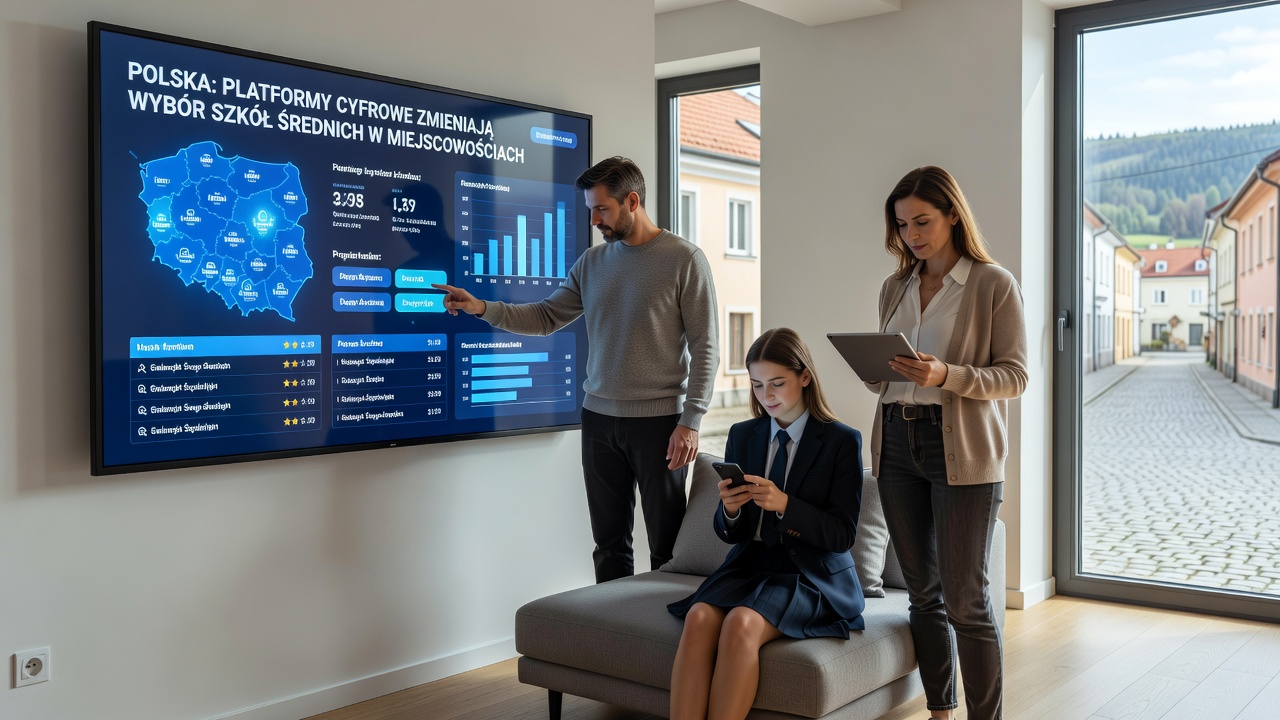
Digital platforms have expanded access to information about secondary training programs across Poland, allowing families in smaller communities to review options without traveling to urban centers for initial research. These tools aggregate details on vocational tracks, technical schools, and apprenticeship pathways, presenting them through searchable databases and comparison features that highlight enrollment criteria, program outcomes, and regional availability.
By October 2026 updates had introduced real-time enrollment tracking and virtual open days, features that connect directly with school databases maintained by regional education offices. Families now filter results by commute distance, language support, and post-graduation employment statistics drawn from national labor records.
Platform Features Supporting Rural Decision-Making
Many platforms integrate mapping tools that calculate travel times from specific villages to training sites, while others include modules for comparing apprenticeship wages and certification pathways. Users upload basic student profiles to receive algorithm-generated suggestions that account for academic records and stated career interests, reducing the manual sorting previously required through paper brochures or in-person visits.
Local internet penetration rates in Polish gminas have risen steadily since 2023, enabling broader participation in these online systems. Government-backed portals now link to municipal digital services, so families can submit applications and supporting documents through a single interface rather than coordinating with multiple school offices.
Data Trends in Enrollment Patterns
Figures released by Statistics Poland show that applications from communities under 20,000 residents increased by 18 percent between 2024 and 2026 for programs listed on major digital platforms. The same period recorded higher submission rates for technical and vocational tracks compared with general secondary options, a shift tracked through anonymized platform analytics.
Researchers at Warsaw University of Technology analyzed user logs and found that families accessed an average of 4.7 distinct training profiles before submitting an application, up from 2.1 in 2022. This expanded review process correlates with platform features that display side-by-side outcome data such as certification pass rates and employer partnerships.

Role of Regional Education Networks
Regional education networks have partnered with platform developers to ensure listings reflect accurate local capacity and transport links. In several voivodeships these partnerships include live feeds from bus and rail operators, allowing families to assess daily commuting feasibility before finalizing choices. Counselors at community centers report receiving more specific questions about program prerequisites since the platforms began publishing detailed curriculum outlines.
Cross-border exchanges appear in some platform sections as well, with listings for programs that accept Polish students in neighboring countries under EU mobility agreements. Data compiled by the European Commission education portal tracks participation numbers in these arrangements, showing steady growth from smaller Polish communities since the digital interfaces added language filters and visa requirement summaries.
Support Structures for Platform Users
Municipal libraries and community centers have introduced scheduled sessions where staff guide families through platform navigation and document uploads. These sessions often coincide with national enrollment windows, providing on-site assistance for households with limited broadband at home. Training materials distributed by the Polish Ministry of National Education include step-by-step guides that address common interface questions.
Some platforms now incorporate feedback loops where previous applicants share anonymized experiences, generating additional context about daily schedules and support services at specific training locations. This user-generated layer supplements official descriptions without replacing verified statistics on completion and employment rates.
Conclusion
Poland's digital platforms continue to consolidate information sources that once required separate inquiries to multiple institutions. As enrollment cycles progress into late 2026, the systems track application volumes and outcome metrics that inform further refinements to interface design and data presentation. Families in smaller communities maintain access through these channels, supported by ongoing updates from regional authorities and national education bodies.