
Amir Werner · 16 October 2026
Inside the Offices of Polish Career Counselors: Tracking Queries Amid Education Reforms
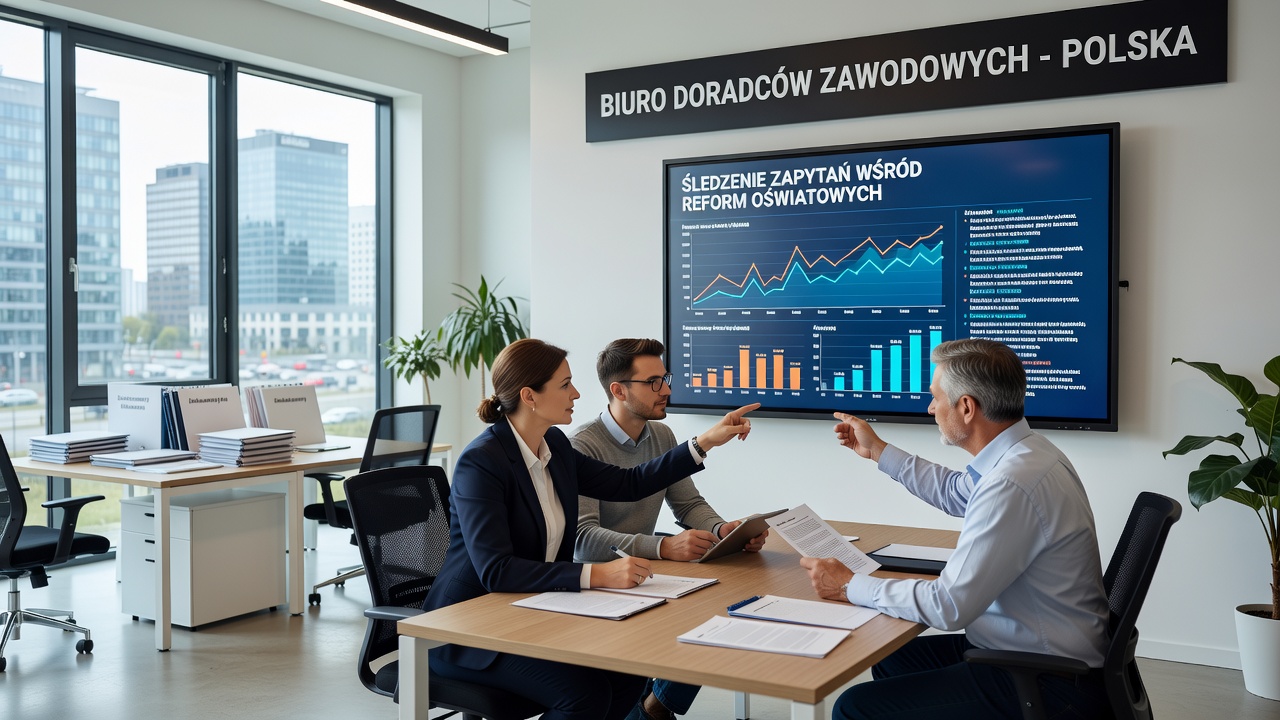
Polish career counselors operate from offices scattered across cities and towns where they log incoming student and parent questions on a daily basis, and these records have grown more detailed since national education adjustments took effect in recent years. Staff members use shared digital platforms to categorize each inquiry by topic, age group, and region while noting follow-up actions that range from one-on-one meetings to referrals toward vocational training centers. Data collected in this manner feeds into quarterly reports that reach regional education authorities and help shape resource allocation for guidance services.
Daily Logging Practices in Counseling Centers
Teams in Warsaw, Krakow, and smaller municipalities start each morning by reviewing overnight submissions that arrive through school portals and email inboxes, then they assign codes to each query before entering them into centralized databases maintained by the Ministry of National Education. Counselors cross-reference new entries against existing patterns from previous months, which allows them to identify spikes in questions about apprenticeship placements or university application timelines. One study released by the European Centre for the Development of Vocational Training highlighted how such systematic tracking supports consistent service delivery across different administrative districts.
Staff meetings occur twice weekly in many locations, during which counselors discuss anonymized case summaries and adjust their response templates based on the most frequent concerns recorded in the system. These sessions also cover updates to national qualification frameworks that influence the advice given to students in upper secondary grades. Records show that average daily query volume per counselor rose from twelve to eighteen between 2023 and 2026, reflecting broader awareness of available support services.
Types of Inquiries Recorded in October 2026
October 2026 saw a notable increase in questions related to post-secondary pathways that combine classroom study with workplace experience, and counselors tracked these entries separately from standard university route inquiries. Common categories included requests for information on certification requirements in technical fields, comparisons of program durations across institutions, and guidance on financial support mechanisms tied to specific career tracks. Counselors noted that parents often submitted follow-up messages seeking clarification on eligibility rules after initial student consultations.
Regional offices compiled monthly summaries that separated urban and rural submissions, revealing that rural students posed more questions about relocation options for training programs while urban students focused on local internship availability. According to figures published by the Polish Central Statistical Office, the total number of documented counseling interactions nationwide reached 142,000 in the first nine months of 2026, with October alone accounting for 18 percent of that total.
Integration of Tracking Systems with National Reforms
Reforms introduced through amendments to the Education Law prompted the adoption of standardized query categories that align with updated competency descriptors used in school curricula, and counselors received training modules on these new classifications during spring and summer sessions in 2026. The updated system allows direct export of aggregated data to ministry dashboards, which in turn informs decisions about expanding guidance staffing in provinces where query volumes exceed national averages. Observers note that this linkage reduces duplication of effort because counselors no longer need to compile separate reports for different oversight bodies.
External partners such as regional labor offices now receive anonymized excerpts from the same databases, enabling them to anticipate demand for particular vocational courses several months ahead. Data shared through these channels helped several districts adjust enrollment caps for popular technical programs before the autumn term began. Researchers at the University of Warsaw documented how the streamlined flow of information improved coordination between education and employment sectors without compromising individual privacy protections built into the platforms.
Regional Patterns and Resource Allocation
Offices in the Masovian and Silesian voivodeships recorded the highest numbers of queries concerning international mobility programs, whereas counselors in the Podlaskie and Lubusz regions tracked more entries related to local industry partnerships. These geographic differences prompted targeted distribution of additional digital tools and printed materials to areas showing elevated demand in specific categories. Ministry allocations for 2027 already incorporate projections derived from the 2026 query logs, ensuring that staffing levels match documented needs rather than relying solely on school population counts.
Training sessions organized by the National Centre for Supporting Vocational and Continuing Education have incorporated case examples drawn directly from the tracking systems, allowing new counselors to practice categorizing sample queries under realistic conditions. Participation rates in these sessions reached 94 percent among active guidance personnel by mid-October 2026, according to attendance records maintained by the Centre.
Conclusion
Tracking mechanisms employed by Polish career counselors continue to evolve in step with ongoing education reforms, and the resulting datasets provide a clear record of student information needs across the country. Continued refinement of categorization standards and inter-agency data sharing supports more responsive allocation of guidance resources while maintaining compliance with national privacy regulations. Future updates to these systems are expected to incorporate additional filters that reflect emerging qualification pathways introduced through legislative changes.