Katja Schmidt · 2 September 2026
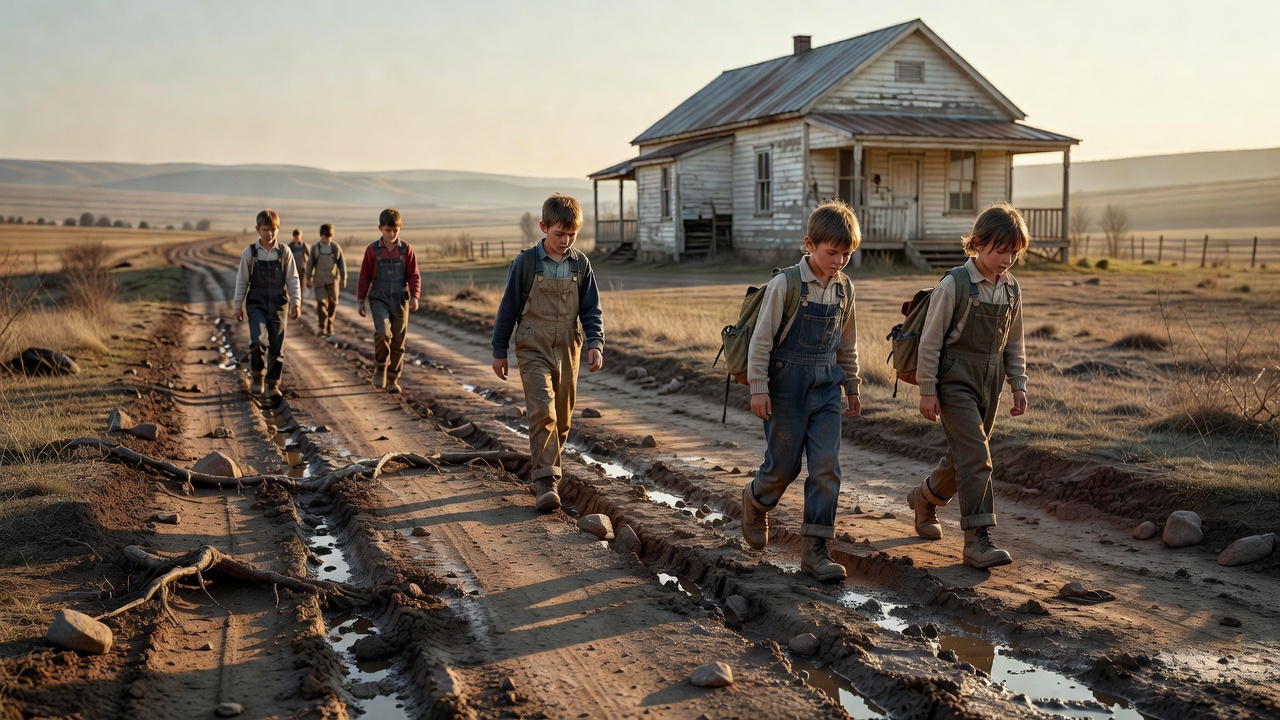
Corepath Educational Pathways has released findings from a comprehensive national analysis examining educational routes for students in rural communities. The study reviewed data from 250 districts and identified persistent shortfalls in curriculum options, technology access, and support services that limit progression to postsecondary education and skilled careers. Rural students face structural barriers that reduce their exposure to advanced coursework and career preparation programs.
Identified Gaps in Access and Resources
Rural high schools provide 40 percent fewer advanced placement and dual enrollment options than urban schools on average. Limited broadband connectivity restricts participation in online learning modules and virtual labs. Teacher shortages in mathematics, science, and foreign languages further narrow available pathways. Transportation challenges reduce after-school program attendance by half, while funding disparities leave many facilities without updated equipment for vocational training in agriculture or manufacturing. The analysis shows these factors combine to create uneven starting points for students seeking higher education.
Survey responses from rural administrators confirm that 65 percent of districts lack dedicated college counselors familiar with regional workforce demands. This shortage contributes to lower awareness of scholarships and application processes. Economic pressures also steer some students toward immediate employment rather than continued study.
Consequences and Recommended Actions
These deficiencies correlate with a 20 percent gap in college readiness indicators between rural and suburban peers. Graduation rates in affected districts trail national averages, and postsecondary enrollment remains below targets. Corepath proposes expanded virtual mentoring partnerships, state-level funding equalization, and mobile resource units to deliver specialized instruction. Implementation of these steps could narrow opportunity gaps and strengthen long-term outcomes for rural youth. Additional regional reports will track progress over the next year.